
How to Get a Permit for the Everest Base Camp Trek
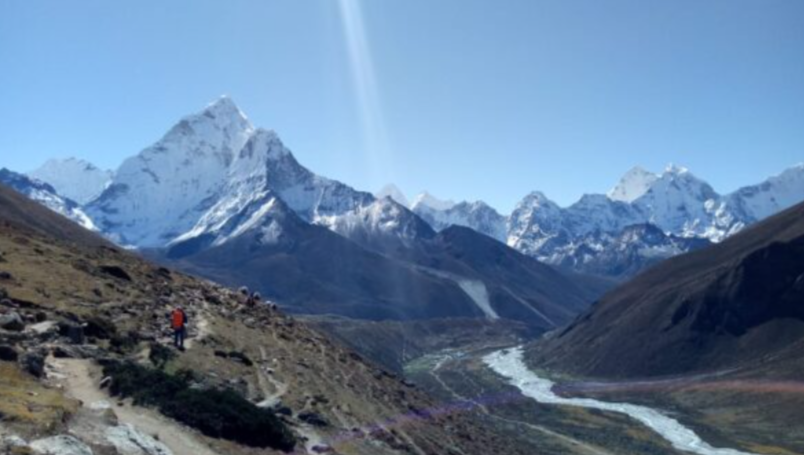
Trekking to Everest base camp is a dream for many hikers and mountain lovers wanting to witness the world’s most spectacular scenery of mountains. While the rigours and hardships of the journey (both physical and emotional) are experiences shared by all, an interesting – and little discussed – piece of preparation that mountain climbers undertake ahead of the pilgrimage to Kailash Mansarovar is planning the monetary aspects of this dream expedition. The Everest Base Camp Hike is the opportunity of a lifetime, and despite what you may think, the total EBC Trek Cost is actually affordable for far more people than you realize. With a few strategic moves and an awareness of where your money is going, you can make it through the charges while still having a good time and minimizing your safety risks. In this post, I’ve included the detailed value breakdown of the cost components of the Mount Everest Base Camp Tour and making it all sound legit and giving a clear idea, which would really help you plan the trek better.
Domestic Flights and Transfer: The Entrance Way Of The EBC Trekking Trail
The journey to Everest Base Camp begins long before you even set foot on the trail. For trekkers, the only really substantial upfront cost, in fact, is that of the round-trip flight from Kathmandu to Lukla. The beginning of the vast majority of Everest treks, Lukla Airport, rt is also one of the most dangerous airports in the world. One-way airfare will set you back a few hundred dollars, so the round-trip flight is a substantial portion of the Everest Base Camp Trek package price. It’s costly — $2,500 one way — but the flight spares days of punishing overland travel, and provides time to get acclimated. An option, of course, for those with a really small budget: a longer, multiday road journey and trek from a nearby lower-lying village like Salleri or Phaplu. This option, while significantly reducing the cost of transport, also increases the number of days on your Everest Base Camp Trek Itinerary and is a little strenuous.
Allowed Fees: Must Payout To Everest Base Camp Tour Source:
All independent trekkers and those on a guided Everest Base Camp Tour will require some permits. Those expenses are part of the cost to climb Everest Base Camp and are a crucial source of profits for the local people and the local surroundings. The 2 important allows are the Sagarmatha National Park access permit and the Khumbu Pasang Lhamu Rural Municipality entrance allow. The money from the ones let in is plowed back into the park to defend its fragile atmosphere and to broaden infrastructure locally, along with faculties and health posts. And while the permits contribute to the total price, they assist in maintaining the area for generations of trekkers to follow. Your trekking agency generally goes and gets them for you (it’s nice to have as part of an all-inclusive package)
Guide and Porter Services = Safety Investment
A trekker journeying through the high altitude of the Everest Base Camp must prioritize safety above all. Please note the new rules that foreign trekking without an authorized guide is not permitted in Nepal. Plus, this is ON TOP of the EBC Trek Cost and is a necessary cost for staying safe and well. They are invaluable, the expertise of the guide being one, but it is also potentially the willingness to spend the money (they are trained in high-altitude first aid, they know the trail and what is happening on it, they can speak with the local authorities and arrange emergency services). An additional feature for many hikers is the use of a portage or carrying further, so that most or all of the hiking gear is carried off-trail. This places far less strain on the body, and the walk is actually more enjoyable. A porter’s fee is a little extra money out of your pocket, but a lot more comfort and convenience to help get you to the base of Mount Everest.
Where to Stay and What to Eat: Trail Living
These rustic teahouses along the Everest Base Camp Trek provide simple lodging and a chance for trekkers to catch their breath. Teahouse bed – this is miraculously cheap, as in free at best and a couple of bucks at worst, granted you eat in the teahouse. People like the owners of the teahouse here are making a living. What does rise with altitude, though, are food and drinks, and transportation is very costly. A plate of Dal Bhat, the national dish of Nepal, may cost a few dollars at the trekking start, but as you get higher up on the way to Everest Base Camp, you might pay that price three or four times over. To defray this cost, many trekkers subsist mainly on local high-carb meals and not more expensive Western fare. You may also carry your snacks from Kathmandu to save money during the trek.
Gear and Equipment:
You really can’t run the risk of not having the appropriate equipment whilst on the Everest Base Camp Trek. Rented or purchased in Kathmandu’s touristy Thamel hub, all the gear adds up in cost. The key is to invest in a decent down jacket, a warm-rated sleeping bag, and good trekking boots. And if you wall have some quality hiking gear to begin with, you’re saved quite a bit even still. But for the many who don’t, renting is a viable and cheaper option.
Daily and Personal Expenses
And beyond the big costs, there are plenty of small, day-to-day expenses that can quickly multiply. These services include hot showers — which are paid at teahouses — and charging your electronic devices (a few dollars per hour). Additional charges apply for snacks, as well as hot drinks such as tea and coffee, and bottled water. And just like everywhere else, if you want to save some skrilla and the environment from the impact of carting bottled water around — and having to buy it over and over and over — it would be wise to bring a water purification system (such as SteriPen or purification tablets). Still, Wi-Fi and calls cost money, so it’s worth having at least a small fund for keeping in touch with home. If not, how much you leave for your guide and porter can be a great way to show your appreciation to the people who will have worked for you, and something that you should factor in as part of your budget after completing your hike, too!
Travel Insurance: A Necessary Safeguard
Good travel insurance isn’t a one-trip cost, but it is a crucial part of your budget and a requirement for the Mount Everest Base Camp Tour. And policy really should have high altitude trekking cover, and above all, l helicopter emergency evacuation. Because the terrain is so remote, when someone is seriously hurt, a helicopter is the only way to get the person to a hospital. A helicopter rescue may cost tens of thousands of dollars, a bill you don’t want to get stuck with. It’s an added cost, but travel insurance is the most effective way for us to ensure that we’re covered from anything we never saw coming, and an essential part of responsible travel.
Last Bits of Advice on Cheap Everest Base Camp Trek
It is tough not to question: Just how much is the Everest Base Camp Trek Cost? “But what’s the natural cost of the Trail, and can I afford it?” The answer is more complex, but with a little bit of forethought, planning, and a smidgen of info… But there are smart options you can pursue, such as hiking with a local outfitter, taking a longer, more road-paved approach if your schedule allows, and budgeting your spending on-trail to make this amazing journey bang-for-your-buck. The best part of the Everest Base Camp trek isn’t the hit your bank balance takes when you’re done, but the breathtaking views that await you when you’ve paid up, the authentic cultural experiences you have along the way, and the blood-pumping sense of fulfillment when you reach it. With a humble budget and willingness to get you there, iconic Everest Base Camp is yours.