Indica vs Sativa: Exploring Aroma, Appearance, and Variety
Discover the variety in cannabis with insights on Indica, Sativa, aroma, and appearance characteristics.
Cannabis varieties can differ significantly in how they look, smell, and develop, making these characteristics useful when exploring the plant’s diversity. The traditional Indica vs sativa distinction offers shoppers a familiar starting point for understanding these differences. While modern genetics have created considerable overlap between categories, examining plant appearance, aromatic compounds, flower characteristics, and genetic variety provides a more complete view of what makes each cannabis cultivar distinctive.
What’s Covered
- Appearance Provides an Initial Point of Comparison
- Flower Structure Adds More Detail
- Aroma Creates a Distinctive Identity
- Terpenes Influence Aroma and Flavor
- Genetics Explain Much of the Variety
- Why Hybrids Add More Possibilities
- Color and Trichomes Offer Visual Clues
- Cultivation Can Influence Final Characteristics
- A Broader Way to Explore Cannabis Variety
- Conclusion
Appearance Provides an Initial Point of Comparison
One of the most noticeable differences between traditional cannabis categories is plant structure. Indica-associated plants generally develop shorter, broader, and more compact forms. Their leaves are typically wider, and the overall growth pattern tends to be dense.
Sativa-associated plants traditionally demonstrate a taller and more elongated structure. Their leaves are generally narrower, with greater spacing throughout the plant. These visual differences can make the two traditional categories relatively easy to distinguish at the cultivation stage.
Flower Structure Adds More Detail
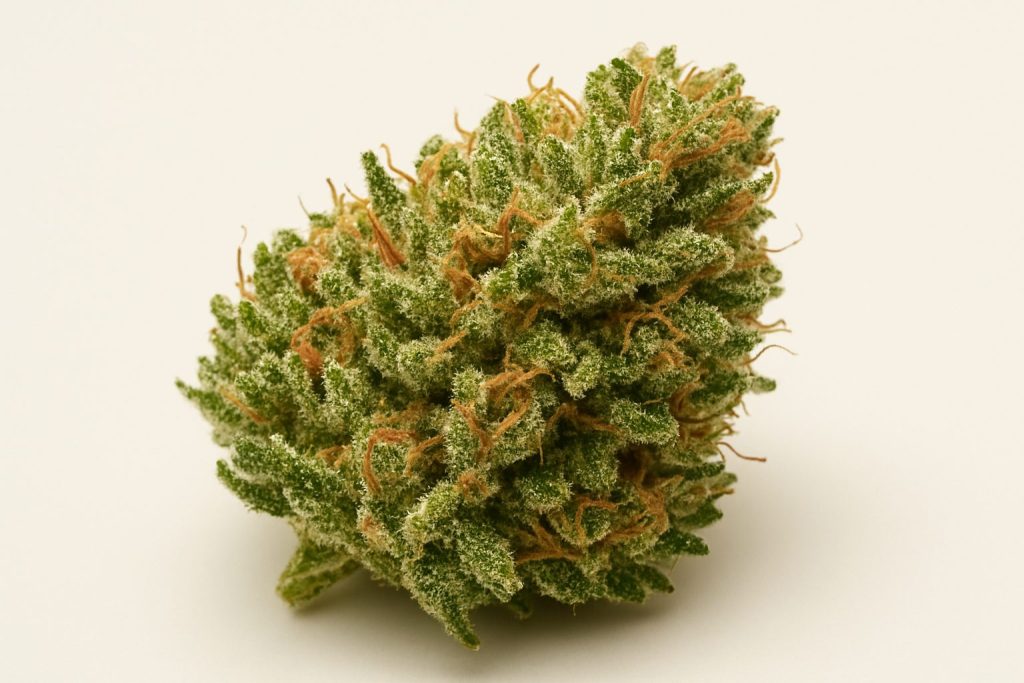
Cannabis flower can display a wide range of physical characteristics even within the same broad category. Bud size, density, shape, color, and trichome coverage can vary according to genetics and growing conditions.
Traditional indica-associated varieties are often connected with compact flower structures, while sativa-associated varieties may produce more elongated formations. However, modern hybrid genetics mean these characteristics can overlap considerably.
For shoppers, flower appearance is therefore best viewed as one part of a broader product profile.
Aroma Creates a Distinctive Identity
Aroma is one of the most recognizable characteristics of cannabis. Different varieties can produce scents ranging from citrus and fruit to earth, pine, spice, floral notes, and herbs.
These aromatic differences are largely influenced by terpene composition. Because terpene levels vary among individual cultivars, there is no single aroma that applies universally to either traditional category.
This diversity gives cannabis varieties their own recognizable sensory identities.
Terpenes Influence Aroma and Flavor
Terpenes are naturally occurring compounds responsible for many of the aromatic qualities found in cannabis. Limonene, myrcene, pinene, and caryophyllene are among the commonly discussed examples.
A cultivar with a citrus-forward terpene profile can smell very different from one dominated by earthy or pine-like notes. This means terpene information can be particularly valuable for shoppers who prioritize aroma and flavor when comparing products.
Genetics Explain Much of the Variety
Genetics provide the foundation for many cannabis characteristics. They influence plant architecture, flowering behavior, cannabinoid production, terpene expression, and flower development.
Two varieties may share an indica or sativa classification while possessing different genetic backgrounds. As a result, their appearance, aroma, and overall product characteristics can be noticeably different.
Modern breeding has expanded this genetic diversity even further.
Why Hybrids Add More Possibilities
Hybrid cannabis varieties combine genetic traits from different lineages. Their development has created an extensive range of plants that may display characteristics traditionally associated with both indica and sativa.
Some hybrids can have compact structures with aromatic profiles commonly associated with other genetic backgrounds, while others may demonstrate taller growth alongside different flower characteristics.
This blending makes today’s cannabis landscape considerably broader than a simple two-category model.
Color and Trichomes Offer Visual Clues
Color is another characteristic shoppers may notice when examining cannabis flower. Shades of green can range from lighter to deeper tones, while certain genetics may produce additional hues under specific growing conditions.
Trichomes are also important visual features. These tiny resin-producing structures cover the surface of cannabis flowers and contribute to their frosty appearance. Their presence can add another dimension to the visual identity of individual varieties.
Cultivation Can Influence Final Characteristics
Genetics establish a foundation, but cultivation practices also contribute to the finished appearance and aroma of cannabis. Light, temperature, humidity, nutrition, harvesting, drying, and curing can all influence the final flower profile.
This explains why products with similar genetic classifications may still present different visual and aromatic qualities.
A Broader Way to Explore Cannabis Variety
The traditional categories remain useful for introducing shoppers to cannabis terminology, but a wider evaluation can reveal much more. Appearance, aroma, terpene composition, cannabinoid content, genetics, and cultivation characteristics all contribute to the identity of a particular variety.
Considering these factors together allows shoppers to appreciate the diversity within both traditional categories and modern hybrids.
Conclusion
Cannabis variety can be understood through many characteristics, with appearance and aroma providing two of the most accessible starting points. Indica-associated plants are traditionally recognized for compact structures and broader leaves, while sativa-associated plants are generally taller with narrower foliage. Terpenes, genetics, flower structure, trichomes, and cultivation practices add further individuality. Exploring these characteristics together provides a richer understanding of the diverse cannabis varieties available through today’s market.
Key Takeaways
- Indica-associated plants typically have shorter, broader, and more compact forms, while sativa-associated plants are taller and more elongated.
- Traditional indica varieties often feature compact flower structures, whereas sativa varieties may produce more elongated forms.
- Aroma in cannabis is influenced by terpene composition, which varies greatly among individual cultivars, resulting in distinctive sensory identities.
- Genetics underpin many characteristics of cannabis, affecting aspects such as plant architecture, aroma, and overall product profile.
- Hybrid varieties combine traits from both indica and sativa lineages, resulting in a broader spectrum of characteristics in modern cannabis.
- Cultivation practices, including light and temperature, also significantly influence the final appearance and aroma of cannabis flowers.