
Loft Ladders for New Builds and Renovations: Smart Access Solutions for Modern Homes
Loft ladders have become essential in modern homes, offering space-saving access to converted attics and upper floors while enhancing property value and maintai
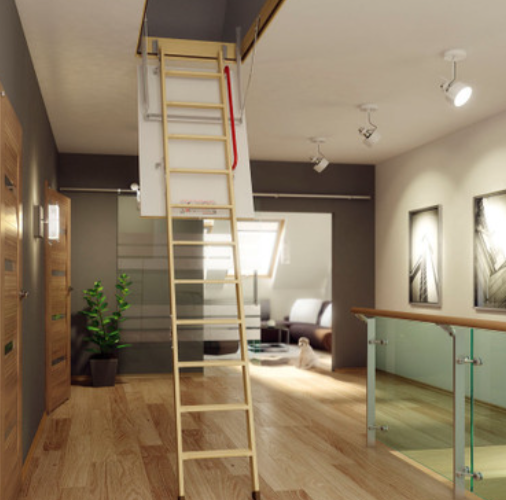
In modern architecture, efficient use of space has become a major priority for homeowners, builders, and designers. Attic areas are no longer just storage zones; they are increasingly being converted into functional living spaces. In this evolving landscape, loft ladders play a crucial role in ensuring safe, convenient, and space-saving access between floors while maintaining the aesthetic integrity of the home design. Whether integrated into new builds or added during renovations, they provide a practical solution that enhances both usability and property value.
Top Trendings in Loft Access Design
Space-Saving Retractable Systems
One of the most significant trends is the rise of retractable ladder systems. These models are designed to fold neatly into the ceiling, eliminating clutter and preserving floor space. Homeowners are increasingly preferring designs that blend seamlessly into interiors while remaining easy to deploy when needed. This trend reflects the growing demand for minimalist and multifunctional living environments.
Lightweight Aluminum Construction
Aluminum-based access systems are gaining popularity due to their durability and lightweight structure. They offer corrosion resistance and long-lasting performance without adding unnecessary load to ceiling structures. Statistical design reports show that aluminum options have seen a steady increase in residential installations due to their balance of strength and ease of use.
Insulated and Energy-Efficient Designs
Energy efficiency is now a key consideration in home design. Insulated access systems help reduce heat loss between living spaces and attics. Studies in modern housing performance indicate that properly insulated ceiling access points can contribute to improved thermal regulation, lowering energy costs over time. This makes them particularly attractive in regions with extreme temperatures.
Electric and Remote-Controlled Access
Smart home integration has reached attic access solutions as well. Electric systems that can be operated via remote control or wall switches are becoming more common. These advanced systems are especially useful in larger homes or for users who require added convenience and accessibility. The trend aligns with the broader shift toward home automation technologies.
Custom-Fit Modular Designs
Customization is a growing demand in the housing sector. Modular designs allow builders to tailor height, width, and load capacity based on specific architectural requirements. This flexibility ensures better safety compliance and improved integration into unique home layouts, especially in newly constructed properties.
Frequently Discussed Insights in Loft Access Systems
Why are modern loft access systems becoming essential in home design?
Modern homes prioritize space efficiency, safety, and design harmony. Attic access is no longer an afterthought; it is integrated into the architectural planning stage. Homeowners want solutions that do not disrupt interior aesthetics while still providing reliable access. As a result, demand for compact and functional systems has grown steadily in recent years, especially in urban housing developments where space optimization is critical.
What factors determine the right loft access solution for a home?
Choosing the right system depends on several key factors, including ceiling height, frequency of use, insulation needs, and available installation space. Load-bearing capacity is also essential, especially for households storing heavy items in attic spaces. Builders often recommend evaluating long-term usability rather than focusing solely on initial installation cost, ensuring safety and durability over time.
How do loft access systems impact property value and usability?
Well-designed attic access solutions significantly enhance both usability and property appeal. Homes with efficient storage and easy access points tend to attract higher buyer interest in real estate markets. Additionally, improved attic usability allows homeowners to maximize space without expanding the building footprint. This contributes to long-term value appreciation and better overall functionality.
In conclusion, modern attic access solutions continue to evolve alongside changing housing needs. From energy efficiency to smart automation, innovation is reshaping how homeowners interact with their spaces. As construction trends move toward sustainability and intelligent design, these systems remain an essential feature in both new builds and renovation projects.