How Dr. Jacqueline Youtsos Demonstrates the Importance of Lifelong Medical Education
Lifelong education essential. Explore why lifelong education is essential for medical professionals, as demonstrated by Dr. Jacqueline Youtsos.
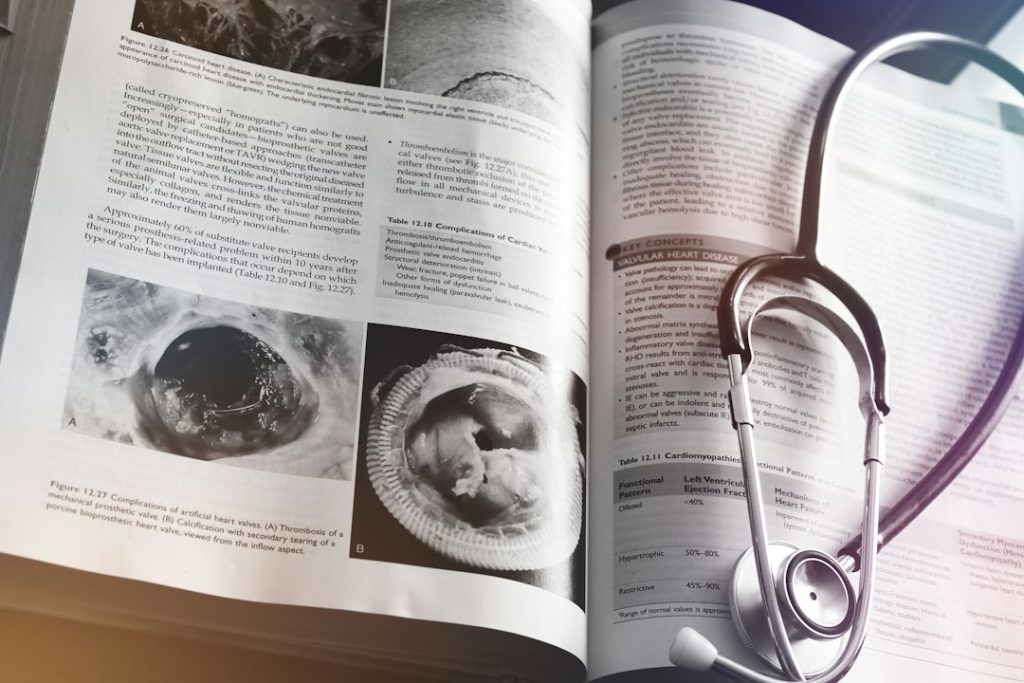
Why is lifelong education essential for medical professionals?
Medicine is a continuously developing field in which new research, clinical technologies, and healthcare practices influence the way patients receive treatment. Physicians must maintain a commitment to learning throughout their careers to remain informed and professionally prepared. The academic and professional journey of Dr. Jacqueline Youtsos offers an opportunity to understand how formal medical education and continuing development contribute to a meaningful career in healthcare.
What was the foundation of her medical education?
Her educational journey included undergraduate studies at the University of Minnesota and medical school at the American University of the Caribbean. These academic experiences provided preparation for the scientific, analytical, and professional responsibilities associated with becoming a physician.
Medical school requires students to understand the human body, recognize different medical conditions, and develop the ability to evaluate clinical information. It also introduces the importance of communication, professional responsibility, and ethical decision-making. Such preparation helps future physicians approach patient concerns with knowledge and consideration.
How does residency strengthen medical knowledge?
Residency is a significant stage in medical training because it connects academic learning with supervised clinical experience. Dr. Youtsos completed family medicine residency training through the University of Chicago and the NorthShore Family Medicine program.
During residency, physicians strengthen their understanding of patient assessment, diagnosis, treatment planning, and ongoing care. They also learn how to communicate with patients, collaborate with healthcare teams, and respond to different clinical situations.
This combination of academic instruction and practical experience helps transform theoretical understanding into professional capability.
Why should doctors continue studying after completing formal education?
Graduating from medical school and completing residency represent important achievements, but they do not mark the end of learning. Medical professionals must continue reviewing relevant research and developments that may influence their specialties.
Continuing education can include professional conferences, clinical workshops, medical publications, peer discussions, and specialized training. These opportunities help practitioners understand emerging approaches and evaluate whether new developments are suitable for their patients.
The professional development associated with Dr. Jacqueline Youtsos reflects the broader importance of maintaining curiosity and expanding expertise beyond initial academic qualifications.
How does lifelong learning improve patient communication?
Education can strengthen more than clinical knowledge. It can also improve the way physicians explain medical information and respond to patient questions. Clear communication helps individuals understand their health concerns, available treatment approaches, and the importance of follow-up care.
When medical professionals remain informed, they can explain relevant developments with greater confidence. They can also recognize when additional evaluation or specialist input may be appropriate.
What can aspiring physicians learn about professional growth?
Students preparing for medical careers should understand that professional development requires consistency. Building strong study habits, seeking practical experience, listening to experienced professionals, and remaining open to feedback can contribute to long-term progress.
They should also recognize that successful healthcare depends on teamwork. Physicians regularly work with nurses, specialists, administrators, and other healthcare professionals. Learning to collaborate respectfully is an important part of professional preparation.
What defines educational excellence in medicine?
Educational excellence involves combining scientific understanding with responsibility, curiosity, and compassion. The journey of Dr. Jacqueline Youtsos illustrates how undergraduate education, medical school, residency, and continued professional development contribute to a physician’s foundation.
Ultimately, lifelong learning helps healthcare professionals remain adaptable in a changing medical environment. By treating education as an ongoing responsibility, physicians can strengthen their knowledge, improve professional judgment, and maintain a thoughtful approach to patient-centered healthcare.
Key Takeaways
- Dr. Jacqueline Youtsos’ educational journey included undergraduate studies at the University of Minnesota and medical school at the American University of the Caribbean.
- Residency, which Dr. Youtsos completed at the University of Chicago and NorthShore Family Medicine program, connects academic learning with supervised clinical practice.
- Medical professionals need to continue their education through conferences, workshops, and peer discussions to stay informed about developments in their specialties.
- Clear communication in medicine is enhanced through education, allowing physicians to better explain medical information and respond effectively to patient inquiries.
- Successful professional growth in medicine requires consistency, strong study habits, and an openness to feedback and collaboration with other healthcare professionals.
- Lifelong learning in medicine helps practitioners strengthen their knowledge, improve professional judgment, and adapt to changes in the healthcare environment.