
How to Choose a Facial Spa Visit When Your Routine Is Already Full
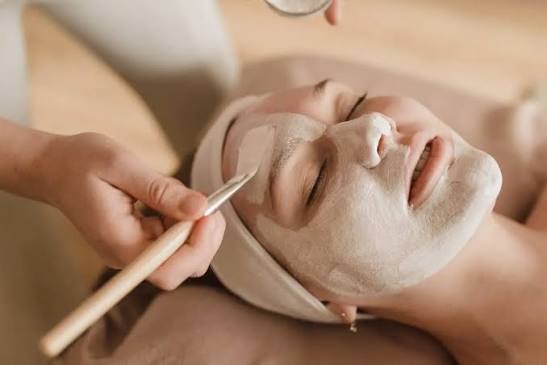
A facial spa visit is easier to choose when it begins with the routine already in place. The question is not whether a menu has the most dramatic wording. It is whether the appointment makes sense alongside the products, time, and level of attention a person can realistically maintain. A first visit can be exploratory without becoming a complete reinvention of skin care.
Start with the routine you will return to
Before reading treatment names, consider what happens the morning after the appointment. Someone who prefers a short, familiar routine may want a service discussion that stays simple. Someone who enjoys trying new products may be comfortable asking more detailed questions. That distinction matters because the best appointment is often one that can sit beside regular habits rather than creating a list of changes that disappear after a week.
Location and service information should make the first conversation easier. Sante’s Thornhill esthetic appointment page gives readers a verified local starting point for esthetic offerings. It is reasonable to ask what a service involves, what preparation is expected, and whether there are products or sensitivities worth mentioning. Clear answers are a stronger fit signal than dramatic promises.
Look for language that helps you decide
A useful menu tells a reader enough to distinguish a facial from a body-focused or massage-focused service. It does not need to perform a diagnosis. When descriptions are broad, ask the spa to explain the appointment flow in plain language: how long it lasts, what the session usually includes, and what a newcomer should know before arriving. That gives the reader a real basis for comparison.
It also helps to decide what is not needed. If the goal is simply a quieter beauty appointment, there is no requirement to add unrelated services. A spa with a broad menu can be helpful because it offers options, but a broad menu is not an instruction to turn a single facial into an all-day itinerary.
Use the consultation as part of the service
Good fit is often visible in the questions a reader can ask without feeling rushed. Existing skin-care habits, product reactions, timing before an event, and comfort with different techniques are all reasonable topics. If there is a medical concern, an active skin condition, or uncertainty about a treatment, that belongs with an appropriate qualified health professional. A spa conversation should stay within the service and comfort questions it can responsibly answer.
Keep the first booking proportionate
For some readers, a facial is the whole plan. For others, it is one part of an intentionally slow afternoon. In the second case, it can be useful to separate appointments rather than forcing them together. Readers who want quiet time on another day can look at a separate salt-cave visit in the same spa setting without assuming that every service has to belong in one visit. Spacing choices out protects the ability to notice what actually feels worthwhile.
The best first facial spa visit is usually the one that leaves room for adjustment. Choose a service you can understand, ask the questions that match your routine, and make the appointment small enough that it feels like a considered choice rather than a response to pressure from a menu.
Leave room for a second decision
A first appointment is not a contract with a new routine. It can simply show whether the service length, setting, and conversation style feel right. Readers who like the visit can return with better questions; readers who do not can choose a different approach without having made a mistake. Keeping that flexibility in mind makes the initial booking more measured and more useful.